Commercial kitchen grease service
Grease trap pumping and grease interceptor cleaning
Keep fats, oils, grease, sludge, and solids from turning into odors, slow drains, health-inspection stress, or a kitchen shutdown.
Before and after: indoor grease trap pumping
The clearest way to explain grease trap cleaning is to show it. In the before image, the trap is holding wastewater, floating grease, and solids. In the after image, the material has been pumped out and the basin is visible again.
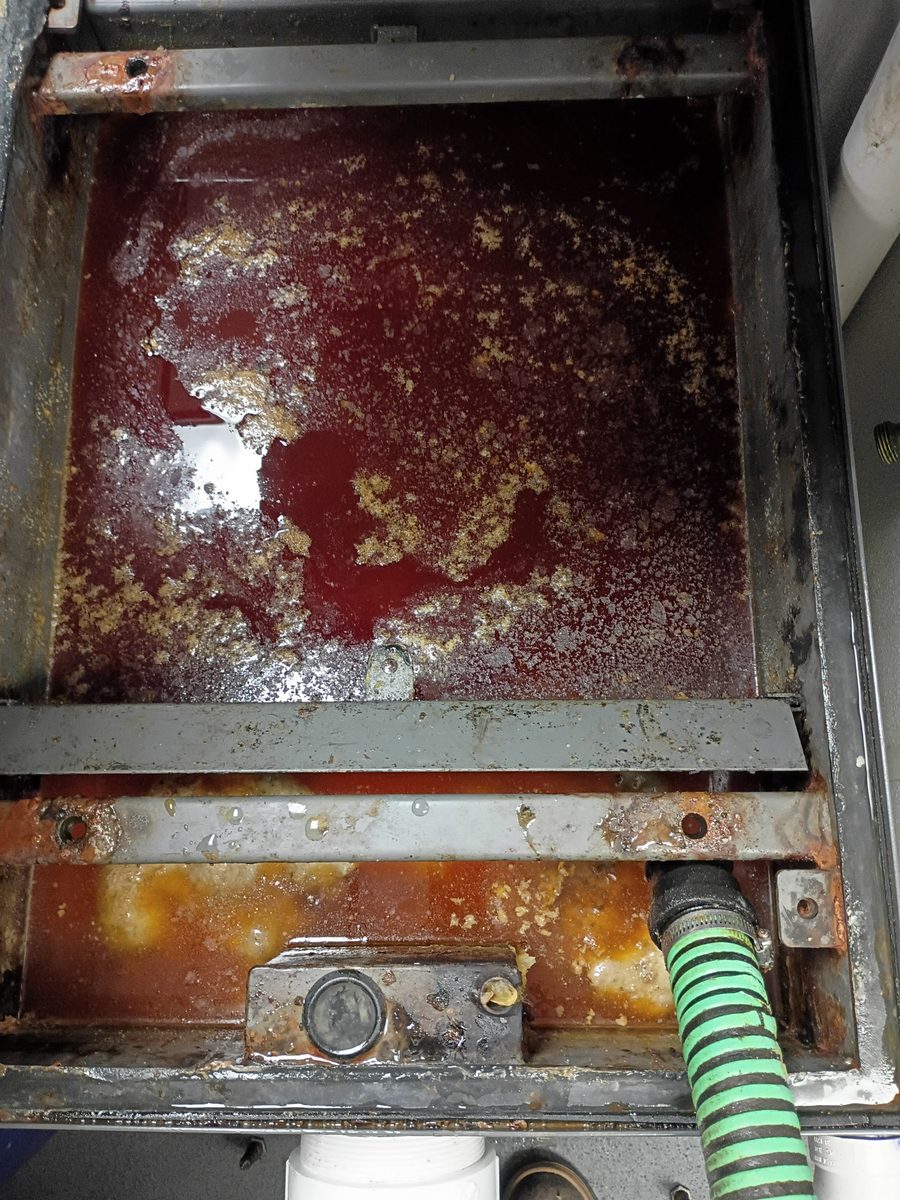
Grease and solids still in the trap
Visible fats, oils, grease, and settled waste reduce trap capacity and can lead to odors, slow drains, and backups.
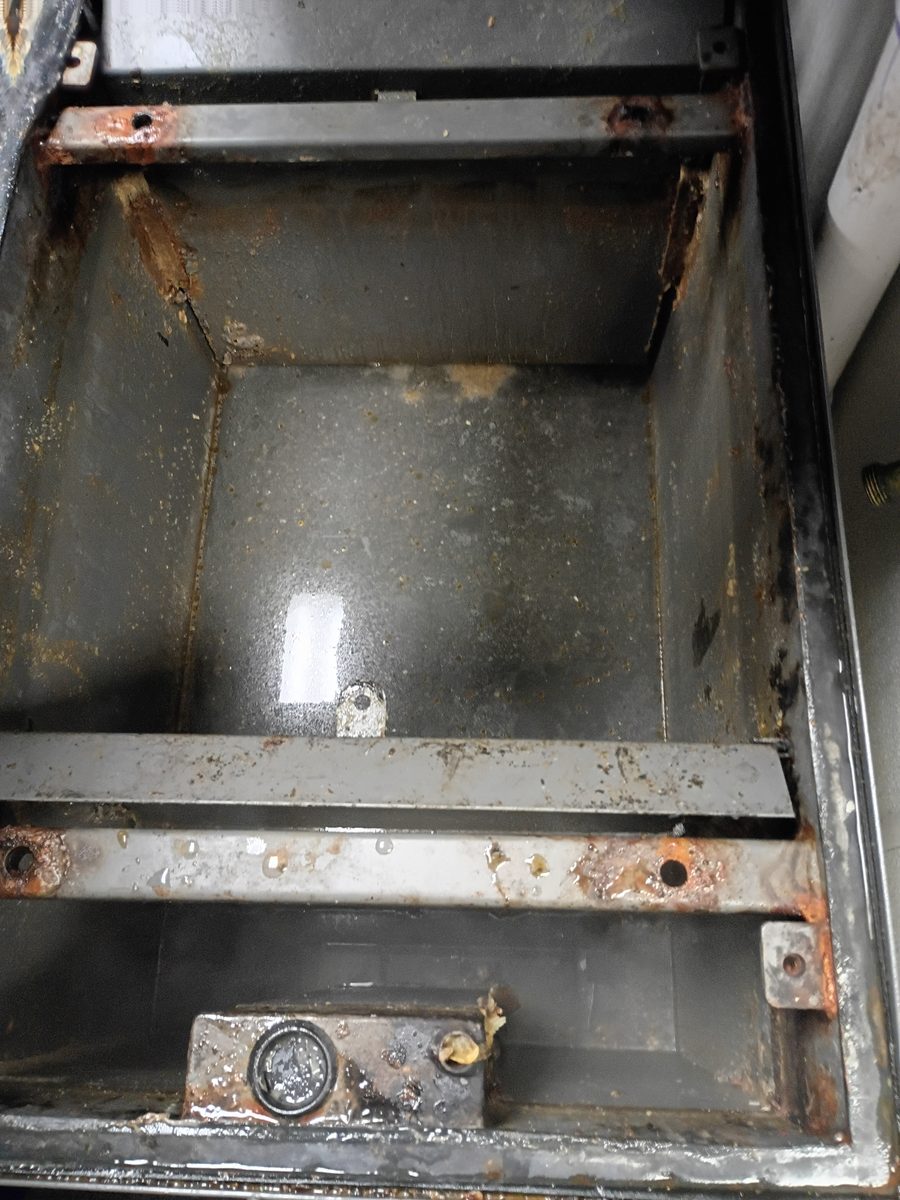
Pumped down and ready for service
After pumping, the basin is visible again and the material that causes buildup has been removed from the compartment.
Before and after: outdoor grease trap access
Outdoor traps and interceptors can collect a heavy layer of grease and solids. Proper service removes that buildup before it causes downstream plumbing problems.
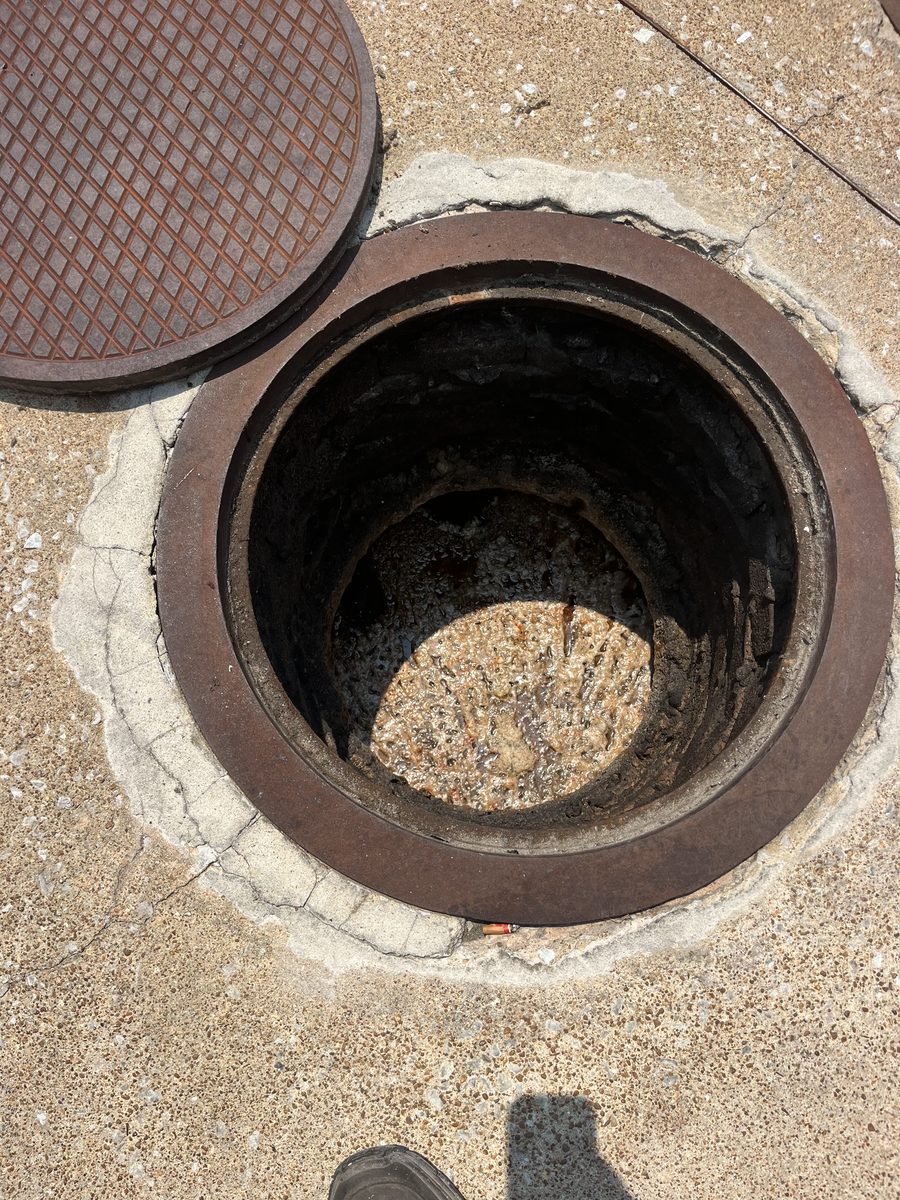
Outdoor trap with heavy buildup
The access opening shows accumulated grease and solids that need to be removed before they move downstream.
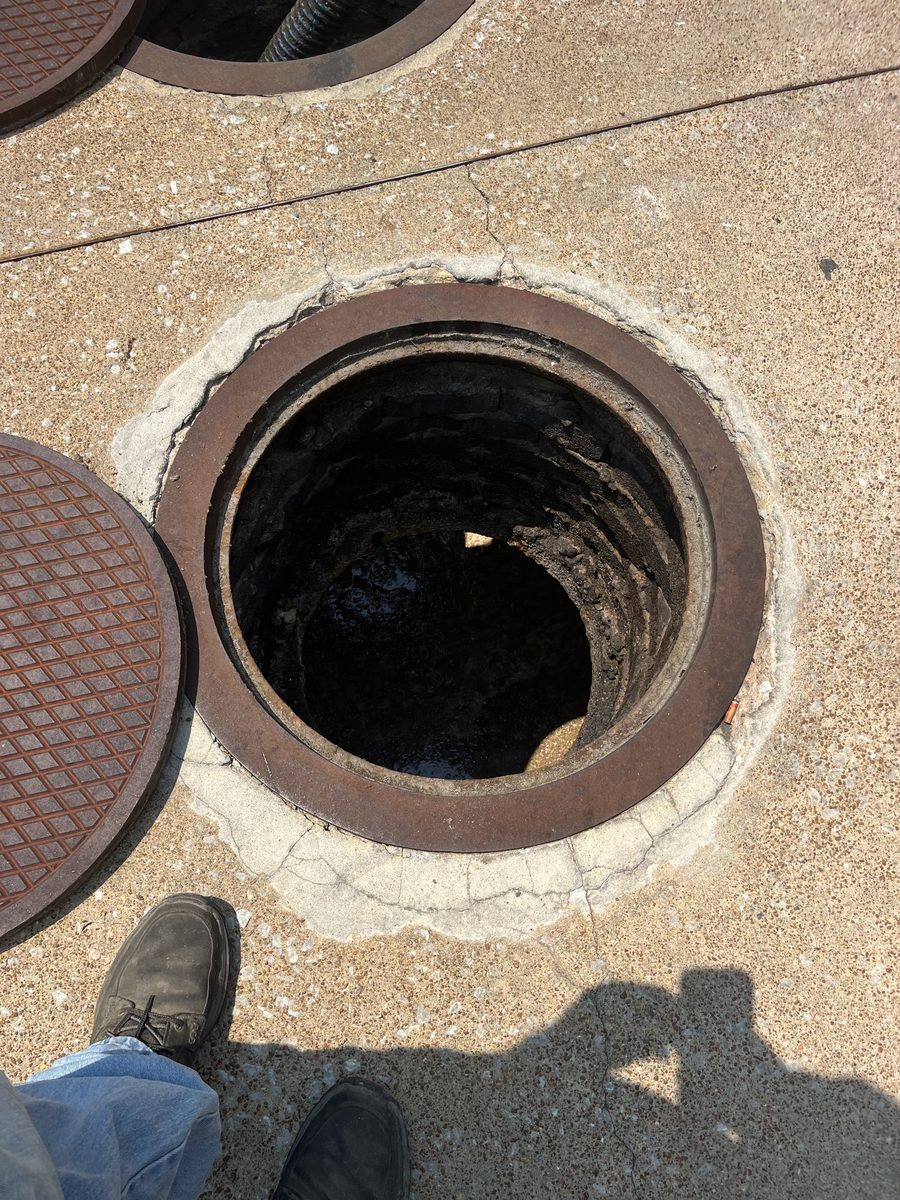
Surface buildup removed
The trap has been serviced and the heavy visible buildup has been pumped out, leaving the access area clear for inspection.
What we handle
Full pump-out service
Removal of grease, wastewater, and settled solids from traps and interceptors so the system can separate FOG properly between visits.
Recurring maintenance
Monthly, 60-day, 90-day, or custom schedules based on kitchen volume, trap size, menu, and prior service history.
Inspection readiness
Clear service communication and documentation support so managers know when the trap was serviced and when the next visit should happen.
Who this is for
- Restaurants and diners
- School cafeterias
- Church kitchens
- Convenience stores
- Nursing homes and assisted living kitchens
- Food trucks and commissaries
- Caterers and event kitchens
- Commercial and industrial food facilities
Service from truck to trap
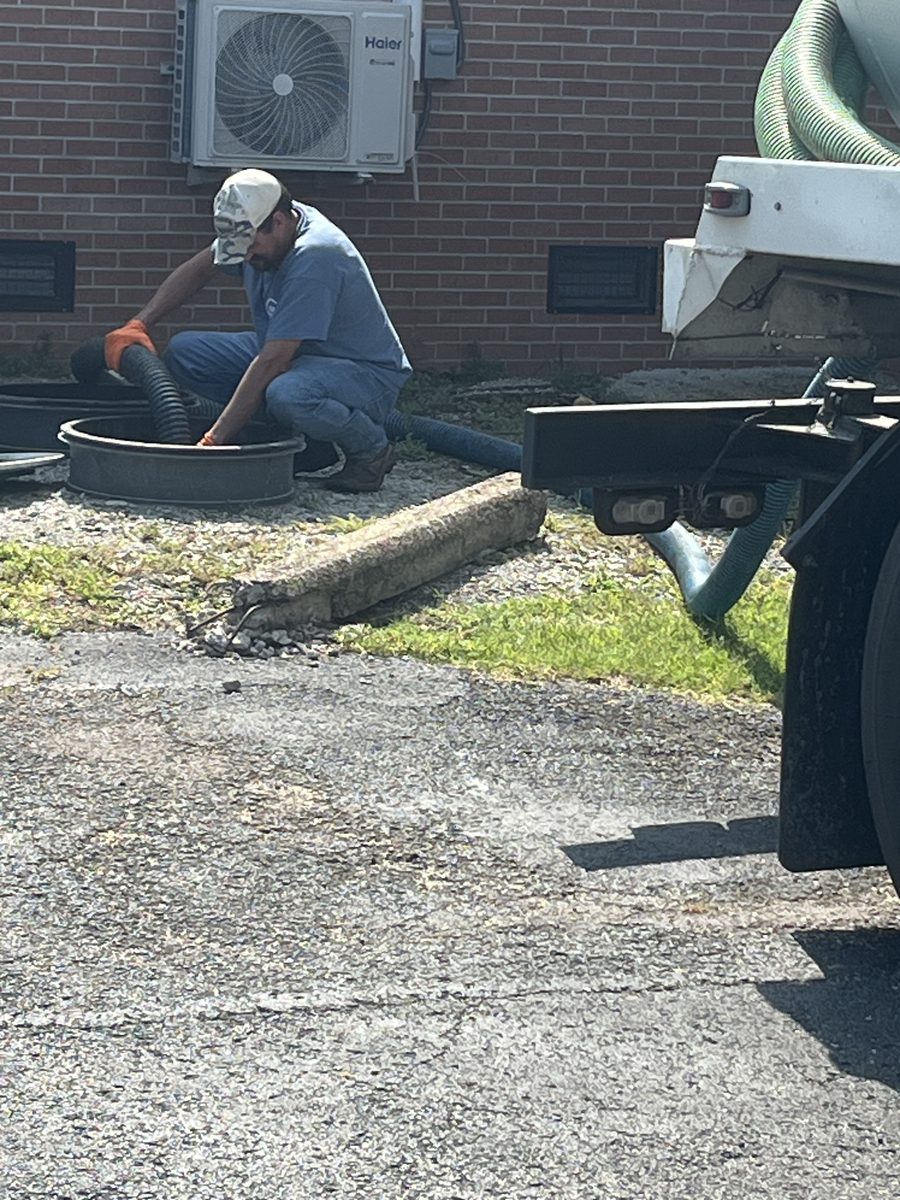
The pump truck and hose setup allow the technician to remove grease, wastewater, and solids from the trap while keeping the work area organized.